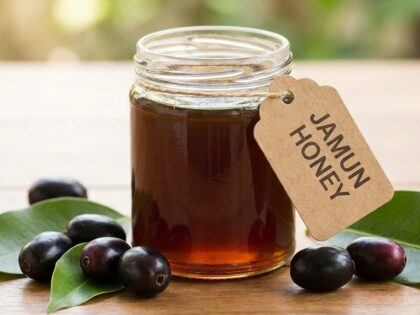
Jamun Honey Nature’s Dark Gold

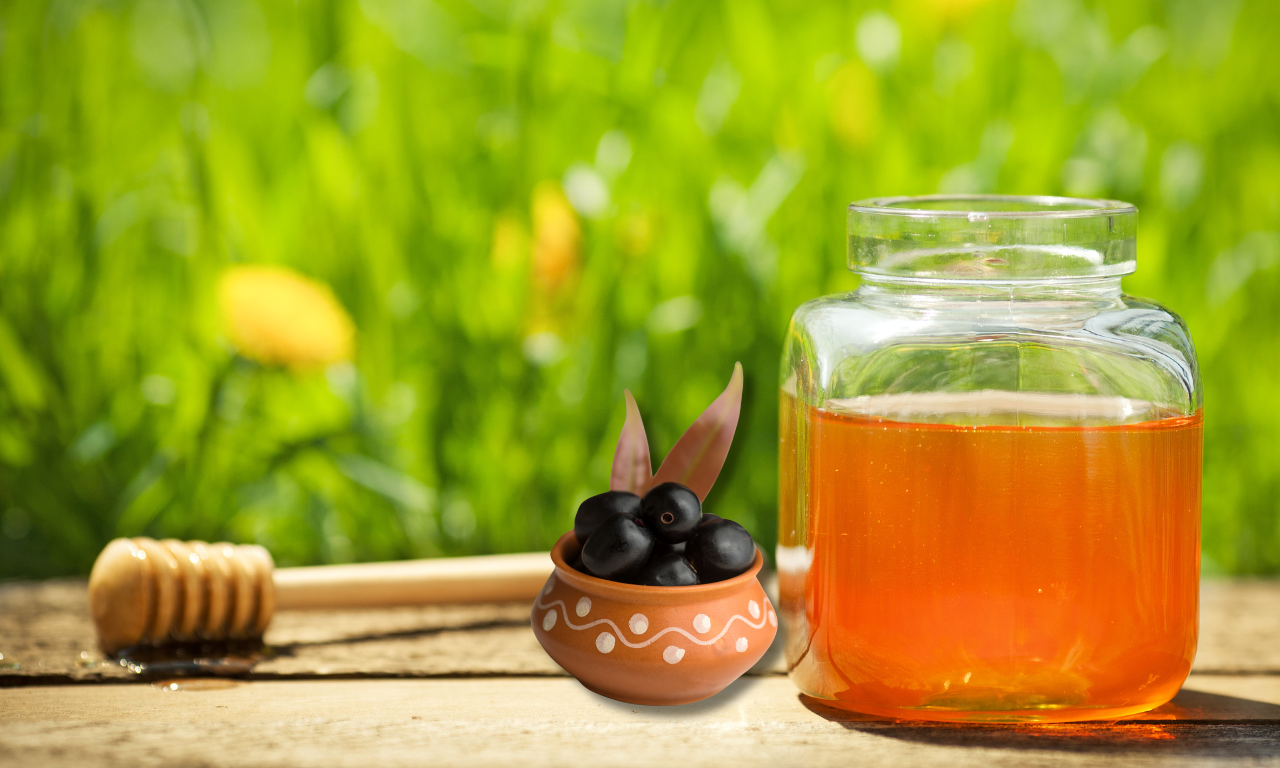
Jamun honey is one of the most unique and medicinal varieties of honey found in India. As a beekeeper would explain, the quality of honey depends greatly on the flowers from which bees collect nectar. Jamun honey is produced when honey bees gather nectar from the blossoms of the Jamun tree (Syzygium cumini), which bloom seasonally in forest-rich regions. The result is a dark, slightly tangy, nutrient-rich honey known for its health-supporting properties.

What Makes Jamun Honey Special?

Jamun trees grow abundantly in regions with dense natural vegetation. During the flowering season, bees collect nectar directly from the Jamun blossoms, transforming it into honey through natural enzymatic processes within the hive. Because the nectar comes primarily from Jamun flowers, this honey carries the natural compounds and medicinal properties associated with the Jamun plant.

Jamun honey is usually dark amber to brown in color, thicker in texture, and has a mildly tangy sweetness compared to regular honey. Its distinctive flavor and color indicate the presence of natural antioxidants and minerals.

Veda Stem Jamun Honey offers a natural option that reflects the richness of Jamun blossoms and the dedication of responsible beekeeping”

Nutritional Profile of Jamun Honey

Like other raw honeys, Jamun honey is a natural energy source and contains several beneficial nutrients. A typical tablespoon (around 21 grams) contains:

Calories: Approximately 60–65

Natural carbohydrates: Around 17 grams

Natural sugars: Glucose and fructose

Trace minerals: Potassium, calcium, magnesium, and iron

Antioxidants: Polyphenols and flavonoids

Enzymes: Natural enzymes that aid digestion

Because it is minimally processed, raw Jamun honey also retains natural pollen and bioactive compounds that contribute to its health benefits.


honey

Recommended Daily Consumption

Professional beekeepers and nutrition experts generally recommend moderate daily consumption of honey.

Adults: 1–2 teaspoons per day

Children above 1 year: ½ to 1 teaspoon per day

Key Benefits of Jamun Honey

Jamun honey is widely valued in traditional wellness systems for several reasons:

  1. Supports Blood Sugar Balance

Jamun is traditionally known for supporting metabolic health. While honey is still a natural sugar, Jamun honey is often considered a better alternative to refined sugar when used in moderation.

  1. Boosts Immunity

Jamun honey contains natural antioxidants that help support the body’s immune system and protect against oxidative stress.

  1. Aids Digestion

The natural enzymes present in honey can help support digestion and promote gut health.

  1. Natural Energy Source

Because it contains easily digestible natural sugars, honey provides quick energy without processed additives.

  1. Supports Respiratory Health

Many people use honey to soothe the throat and support respiratory comfort, especially during seasonal changes.

Why Choose Veda Stem Jamun Honey

Quality honey begins with responsible sourcing and careful handling. Veda Stem Jamun Honey is sourced from natural forest regions where bees collect nectar directly from Jamun blossoms. The honey is raw, minimally processed, and free from artificial additives or sugar syrups.

Every batch is carefully handled to preserve its natural taste, nutrients, and purity, ensuring that customers receive authentic Jamun honey as close to its natural state as possible.

Choosing Pure Honey in India

In a market where adulteration can occur, choosing a trusted brand is important. Pure honey should have natural aroma, thick texture, and authentic floral taste. Reputable producers focus on ethical beekeeping, minimal processing, and strict quality standards.

For those seeking genuine forest-sourced honey, Veda Stem Jamun Honey offers a natural option that reflects the richness of Jamun blossoms and the dedication of responsible beekeeping.

poojakansal40@gmail.com

1 Comment

  • Lorem Ipsum is simply dummy text of the printing and typesetting industry. Lorem Ipsum has been the industry\’s standard dummy text ever since the 1500s, when an unknown printer took a galley of type and scrambled it to make a type specimen book.

Leave a Reply

Your email address will not be published. Required fields are makes.

Top