For many years, Shilajit has often been marketed as a supplement for men, especially in products promoting strength and vitality. This has led to a common misconception that Shilajit is designed exclusively for male health. In reality, traditional Ayurvedic literature describes Shilajit as a Rasayana—a rejuvenating substance intended to support overall health and vitality, without limiting its use to one gender.
So, can women consume Shilajit?
The answer is yes—healthy adult women can consume purified Shilajit, provided it is used responsibly, sourced from a reputable manufacturer, and taken under appropriate guidance when necessary. However, understanding why women may choose to use Shilajit requires looking at both its traditional Ayurvedic significance and the emerging scientific understanding of its composition.
Shilajit Was Never Traditionally Reserved for Men
One of the biggest misconceptions surrounding Shilajit comes from modern marketing rather than traditional medicine.
Classical Ayurvedic texts, including the Charaka Samhita and Sushruta Samhita, describe Shilajit as a natural rejuvenative that supports overall strength, tissue nourishment, and longevity. It was traditionally prescribed according to an individual’s Prakriti (body constitution), Agni (digestive strength), age, lifestyle, and health condition—not according to gender alone.
Ayurveda recognizes seven body tissues, known as the Sapta Dhatus:
- Rasa (plasma and nourishment)
- Rakta (blood)
- Mamsa (muscle)
- Meda (fat tissue)
- Asthi (bone)
- Majja (bone marrow and nervous tissue)
- Shukra (reproductive tissue)
A Rasayana is believed to support the healthy nourishment of these tissues over time. From this traditional perspective, women may also benefit from Shilajit as part of an overall wellness approach when it is appropriate for their constitution.
Understanding Shilajit’s Nutritional Profile
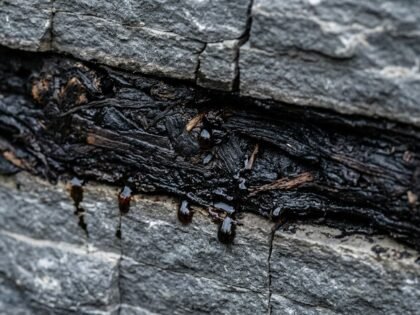
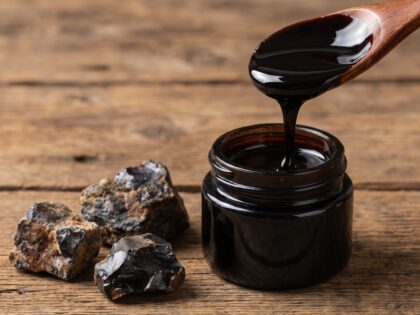
Unlike botanical herbs that contain a few active compounds, purified Shilajit is a naturally occurring mineral resin with a remarkably complex composition.
Researchers have identified:
- Fulvic acid
- Humic acids
- Dibenzo-α-pyrones
- Amino acids
- Phenolic compounds
- Trace minerals including iron, zinc, magnesium, selenium, copper, potassium, and manganese
Rather than acting like a hormone or pharmaceutical drug, these naturally occurring compounds contribute to Shilajit’s nutritional and biochemical profile.
This is one reason researchers continue studying its potential role in supporting normal cellular function and overall wellness.
Can Women Benefit from Shilajit’s Mineral Content?
Women have unique nutritional requirements throughout different stages of life.
For example:
- Iron contributes to the normal formation of red blood cells.
- Magnesium supports muscle and nerve function.
- Zinc contributes to normal immune function.
- Copper plays a role in energy metabolism.
- Selenium supports antioxidant defense.
Purified Shilajit naturally contains many of these trace minerals, although the exact mineral content varies depending on geographical origin and purification methods.
It should not replace a balanced diet or prescribed supplements, but its naturally diverse mineral profile makes it an interesting addition to a wellness routine.
Many women balance demanding careers, family responsibilities, exercise, and daily stress.
Unlike products that rely on caffeine or synthetic stimulants, Shilajit is traditionally valued for supporting the body’s natural physiological processes rather than forcing temporary stimulation.
Modern research has focused on how compounds such as fulvic acid and dibenzo-α-pyrones may support normal mitochondrial function. Mitochondria generate ATP (adenosine triphosphate), the primary energy currency used by every cell in the body.
Supporting healthy cellular energy production is very different from creating an artificial feeling of alertness.
This distinction explains why many individuals describe Shilajit as promoting more sustained energy rather than sudden bursts followed by fatigue.
Ayurveda views health as a balance between the three Doshas:
- Vata – governs movement, the nervous system, and communication.
- Pitta – governs metabolism, digestion, and transformation.
- Kapha – governs structure, stability, and nourishment.
Lifestyle, seasonal changes, diet, sleep, and emotional stress can influence this balance.
Traditional Ayurvedic practitioners may recommend Rasayana substances such as Shilajit to support overall resilience and vitality as part of a personalized wellness plan. Importantly, Ayurveda does not recommend one herb for everyone; recommendations depend on an individual’s constitution and current state of health.
Every cell continuously produces energy, and this process naturally generates free radicals.
Normally, the body’s antioxidant systems keep these molecules under control. However, poor nutrition, chronic stress, pollution, and lack of sleep can increase oxidative stress.
Shilajit contains naturally occurring antioxidant compounds, including fulvic acid and humic substances, which are being studied for their role in supporting the body’s natural antioxidant defenses.
While Shilajit should not be viewed as a treatment for any medical condition, its antioxidant profile contributes to its growing popularity among individuals interested in healthy aging and overall wellness.
Veda Stem- Admin